Leveraging Technology in Sports: Unleashing the Power to Improve Performance
Introduction :
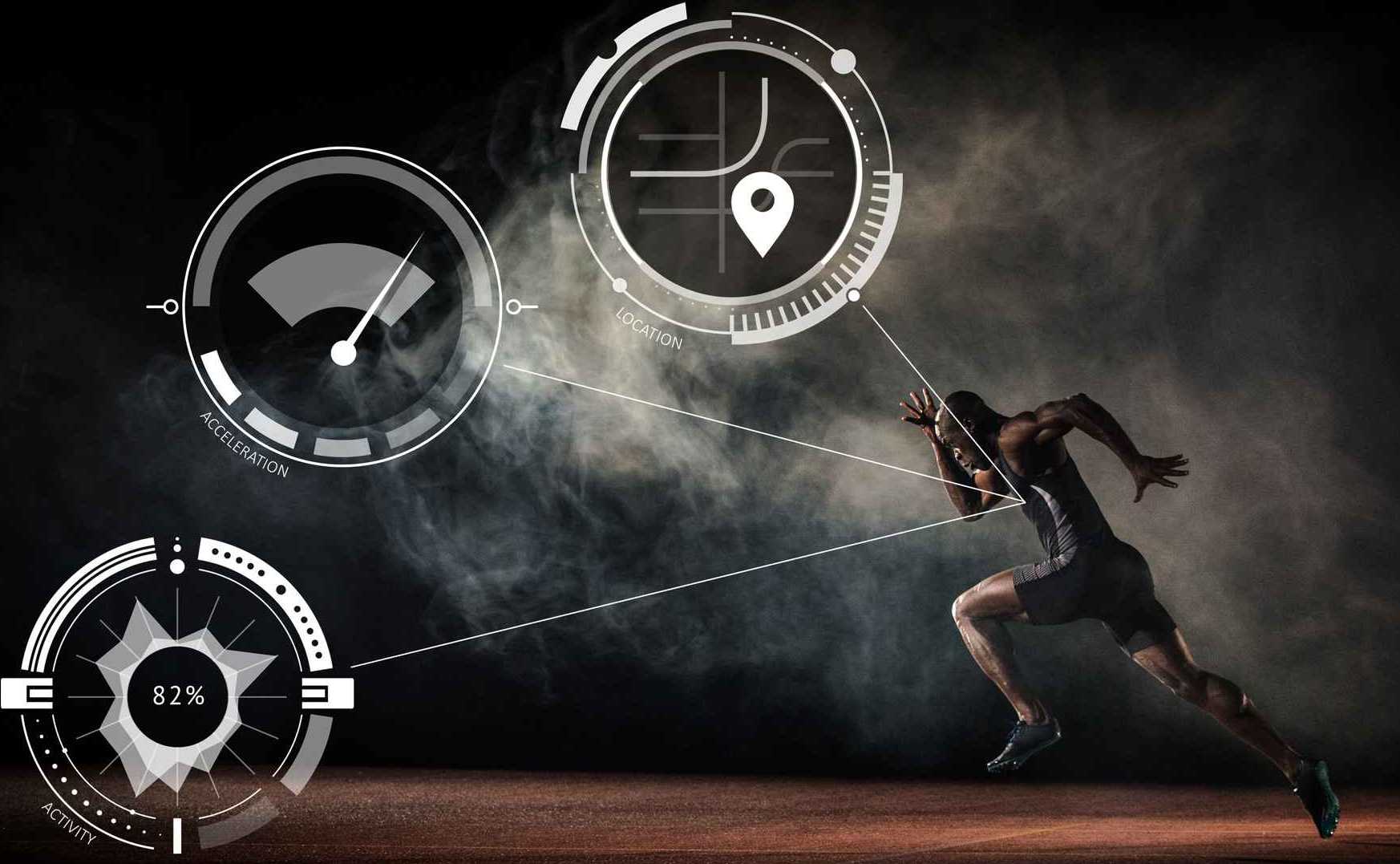
Advancements in technology have revolutionized the world of sports, empowering athletes, coaches, and teams to achieve unprecedented levels of performance. The integration of cutting-edge technological tools into training programs has enhanced performance analysis, injury prevention, and overall athlete development. In this article, we will explore the various ways technology can be utilized in sports to improve performance. From wearables and video analysis to virtual reality simulations and data analytics, we will delve into the transformative role of technology and how athletes can leverage it effectively.
I. Wearables and Advanced Monitoring Systems :
Wearable technology has emerged as a game-changer in sports, allowing athletes to gain valuable insights into their performance and physical well-being. Utilizing wearable devices, such as fitness trackers and smartwatches, athletes can monitor vital metrics like heart rate, breathing patterns, recovery rates, and sleep quality. These devices track performance data in real-time, allowing athletes to make informed decisions and adjustments to training routines.
Additionally, advanced monitoring systems, such as GPS trackers and inertial sensors, provide valuable data on an athlete's speed, acceleration, deceleration, and change of direction. Coaches can use this information to tailor training programs, optimize performance, and mitigate the risk of injury.
II. Video Analysis and Biomechanics :
Video analysis has become an indispensable tool for both athletes and coaches to identify areas of improvement. High-speed cameras and specialized software enable detailed assessment of an athlete's technique, form, and biomechanics. By analyzing video footage, coaches can pinpoint flaws in an athlete's movement patterns, technique, and posture, thereby paving the way for corrective actions and improvements.
Incorporating biomechanical analysis can help athletes optimize their movements to increase efficiency and reduce the risk of injury. By merging data obtained from wearable technology with video analysis, athletes and coaches can gain a comprehensive understanding of an athlete's mechanics, allowing for precise adjustments and personalized training plans.
III. Virtual Reality Simulations and Mental Conditioning :
Virtual reality (VR) is finding its place in sports, offering immersive and interactive simulations that can enhance athletic performance. From realistic training scenarios to visualization exercises, VR allows athletes to mentally rehearse movements and challenges in a controlled environment. By incorporating VR in training regimens, athletes can improve reaction times, decision-making abilities and develop resilience in high-pressure situations.
Additionally, the visualization aspect of VR can greatly assist in mental conditioning. Athletes can practice techniques, rehearse strategies, and mentally prepare for competitions, fostering confidence and focus. VR can also help rehabilitation by providing a safe environment for athletes recovering from injuries to relearn movements and regain confidence.
IV. Data Analytics and Artificial Intelligence :
Data analytics and artificial intelligence (AI) are unlocking new avenues for performance enhancement in sports. Sophisticated algorithms can analyze vast amounts of data, identifying patterns, trends, and correlations that would otherwise be difficult to detect. By leveraging this data, coaches and analysts can make evidence-based decisions to optimize training programs, strategize game plans, and devise effective injury prevention strategies.
Machine learning algorithms integrated with player tracking systems can generate real-time insights during competitions, providing coaches with valuable information such as player positioning, heatmaps, and optimal tactics. Furthermore, player performance data can be compared against historical data and benchmarked against peers, enabling objective assessments and targeted improvements.
Conclusion :
Technology has become an indispensable ally for athletes, coaches, and teams in achieving peak performance levels. From wearables to VR simulations, video analysis to data analytics, the role of technology in sports continues to evolve rapidly, empowering athletes to unleash their full potential. By embracing these technological advancements, athletes and teams can gain a competitive edge, minimize injuries, and reach new heights in sports performance.

No comments:
Post a Comment